
Appropriators restore funding for Commerce’s TraCSS spacewatch effort
After a drastic reduction proposed by the White House, the Senate Appropriations Committee would fund the Office of Space Commerce at $60 million in FY26 to continue with TraCSS.
After a drastic reduction proposed by the White House, the Senate Appropriations Committee would fund the Office of Space Commerce at $60 million in FY26 to continue with TraCSS.

The Trump administration’s budget would dramatically shrink the Office of Space Commerce and cancel an effort to transition responsibilities for keeping tabs on civil satellites from the Pentagon to the Commerce Department.


Consolidate network monitoring, performance management, and fault isolation into a single, comprehensive solution.

The new strategy strongly echoes the US Space Force's Commercial Space Strategy published in April 2024, and copies some of the implementation tools the service has put into place.

"While this type of close approach activity does not automatically signify a military mission, it obviously could provide a co-orbital counterspace capability," expert Victoria Samson told Breaking Defense.

"[I]ncreased situational awareness in the space domain is absolutely essential for NATO allies," Maj. Gen. Paul Lynch, deputy assistant secretary general for intelligence on NATO's military staff, said today.

The space service’s new “Data & AI Strategic Action Plan” emphasizes overhauling UDL, aiming to finally integrate its private-sector data with operational Space Force systems.


Cybersecurity skills must evolve in near-real time as Zero Day threats continue and AI provides new challenges.

Space Force leaders are sharpening their rhetorical swords regarding the service's need to build space warfighting chops.

The idea behind the commercial reviews is to find potential alternatives for "getting us out of one-off, billion-dollar systems into a proliferated architecture," said Maj. Gen. Stephen Purdy.

Many of the sensors contributed by the 15 EU SST participating states are military assets, and the European Defence Fund also is being tapped to help foster commercial innovation in the space situational awareness domain.

The goal of the collaborative effort was to show that commercial data can help close the time lag between when a satellite is released into orbit from a rocket to when the Space Force can reliably track it and put the trajectory coordinates into the military's catalog of space objects, said Kayhan CEO Siamak Hesar..


The initial command and control gateway to earn a continuous Authority to Operate is changing multi-domain operations.
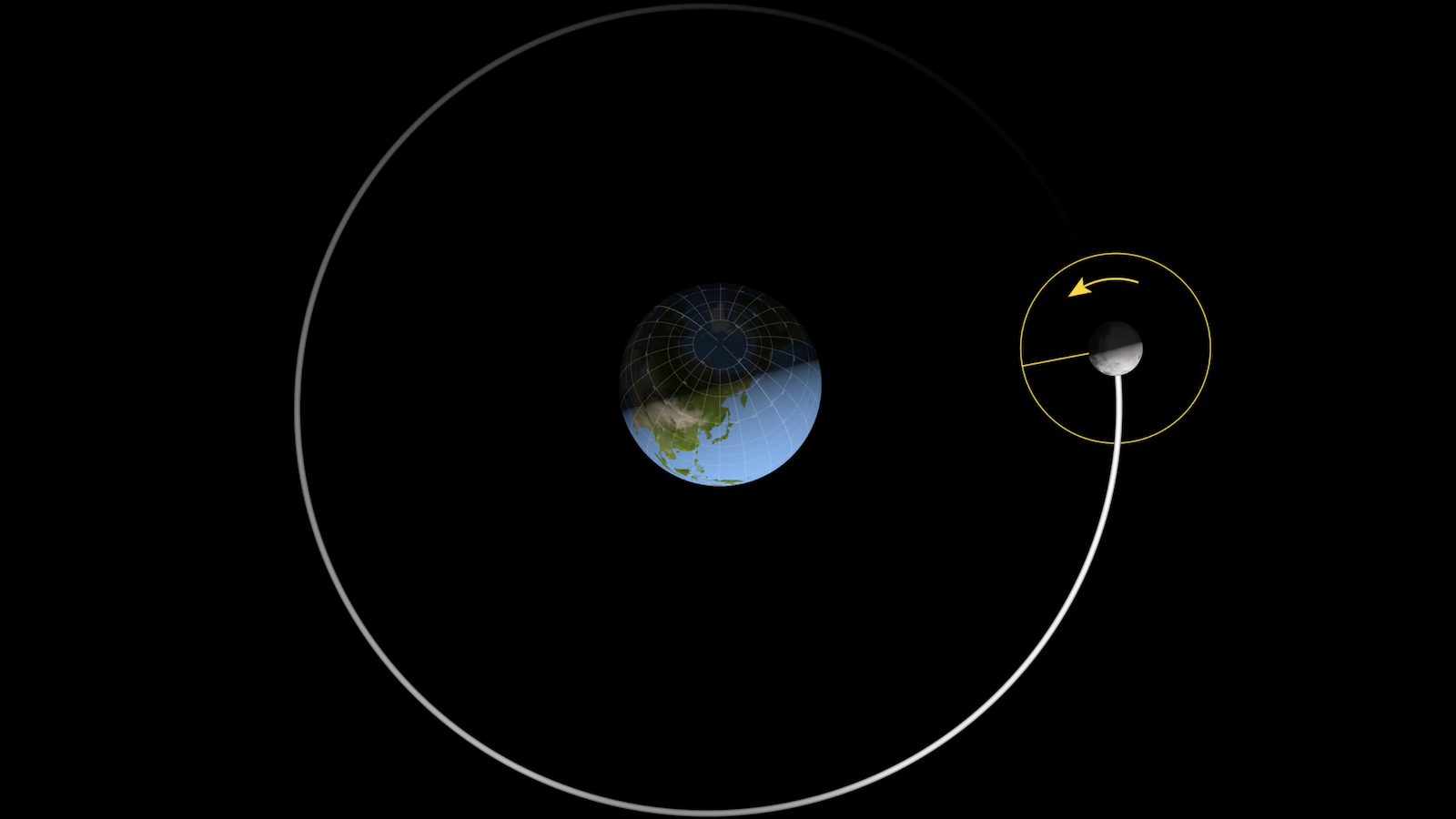
The new White House plan for cislunar S&T tasks DoD to lead development of new, and/or improvement of current, ground- and space-based sensors for monitoring the cislunar region.

Once up and running, the new TraCSS.gov site will allow commercial and foreign operators to migrate from DoD's Space-track.org website for accessing data on space object whereabouts.

“It’s essential that the [Olympic Defender] allies and partners have a shared understanding of the battlespace, to ensure mission impacting decision-making is based on common perceptions of what’s occurring and likely to occur in the Area of Responsibility," said Royal Australian Air Force Group Captain Julien Greening, CSpOC deputy director.

A new study by the Center for Strategic and International Studies details a number of serious obstacles to cislunar operations, from a lack of robust business cases to the literal fabric of time.